

Venture Growth Partners interim CFO services
FollowOverview
-
Sectors Energies
-
Posted Jobs 0
-
Viewed 37
Company Description
Interim CFO debt capacity analysis: set a borrowing limit
The common mistake in an interim CFO debt capacity analysis is setting the borrowing limit from a good-month cash balance or an optimistic earnings forecast. That can leave a growing business with payments it cannot cover when receivables arrive late, inventory builds, or sales soften. A sound limit starts with cash available for debt service under realistic conditions, then tests how much room remains after existing obligations and operating needs.
What does a borrowing limit actually measure?
A borrowing limit is the amount of debt the business can repay while still meeting payroll, suppliers, taxes, and planned operating needs. It is not simply the largest loan a lender might offer. The company may qualify for a higher amount on paper than its cash flow can safely support.
In practice, an interim CFO connects three questions: how much cash the business can reliably generate, when that cash is available, and what the proposed debt requires it to pay. Earnings can help explain performance, but lenders and owners need to understand the cash that remains after working capital, taxes, capital spending, and existing debt service.
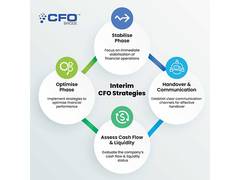
The analysis should separate a borrowing ceiling from a borrowing target. The ceiling is a tested boundary under stated assumptions. The target may be lower because the business wants room for a delayed customer payment, an unplanned repair, or a seasonal dip. Treating the ceiling as a spending target can erase that cushion before the loan has delivered its intended benefit.
There is no single limit that fits every company. A business with recurring customer payments and modest inventory may have a different cash pattern from a project-based company that pays labor and materials long before it collects. The interim CFO should explain which operating facts drive the result instead of presenting one number as universally safe.
The output should make the assumptions visible. It should show the forecast period, existing obligations, proposed repayment schedule, and the cash buffer the company intends to preserve. If any of those inputs changes, the limit may change too. That is why a useful analysis is a decision tool, not a promise that the lender will approve a specific amount.
Which cash flow belongs in the calculation?
Use cash flow the business can reasonably expect to make available for debt service, not the most flattering measure of earnings. Start with the operating forecast and reconcile it to cash, including collection timing, supplier terms, payroll, taxes, inventory, and necessary capital spending.
An income statement may show a profitable month while the bank account shrinks. A large customer invoice can count as revenue before the customer pays; inventory can absorb cash before it is sold. The analysis needs to account for those timing gaps, especially when growth itself requires more working capital.
Separate recurring operating cash generation from items that may not repeat. A one-time sale of equipment, a temporary owner contribution, or a delayed vendor payment should not quietly support a recurring loan payment. If an unusual item is included, label it and explain why it belongs in the case being tested.
Also distinguish cash that is technically in the account from cash that is available to repay debt. Some cash may be needed for payroll, sales tax, customer deposits, restricted purposes, or a near-term supplier commitment. The company should agree on a minimum operating reserve before treating excess cash as available for borrowing or repayment.
Ask what happens if the forecast is wrong in an ordinary, plausible way. A customer might pay later than expected, a renewal might slip, or a busy season might require more inventory than planned. The aim is not to invent a dramatic crisis; it is to see whether the payment still fits when normal business friction appears.
How should existing debt and proposed terms change the limit?
Count all required debt payments before deciding how much new debt the business can carry. Include principal and interest on existing loans, scheduled payments on equipment financing, and other contractual obligations that draw on the same operating cash.
Then model the proposed financing using actual terms when available. The payment depends on the amount borrowed, interest rate, repayment period, fees, and any structure that changes payments over time. If terms are not known, use clearly labeled scenarios rather than presenting an assumed payment as a lender offer.
Some loans have interest-only periods, balloon payments, variable rates, or covenants tied to financial measures. A low initial payment can hide a later cash demand. The interim CFO should show the payment path across the full obligation, not just the first period that looks comfortable.
Debt-service coverage is one way to compare cash available for debt service with required debt payments. The right threshold is not universal: lender requirements, debt structure, company volatility, and the owner’s tolerance for risk all matter. Ask the lender what measure it uses, then show how the business performs against that requirement and against a more cautious internal case.
Do not confuse collateral with repayment capacity. A company may own assets that support a loan application, but a payment still has to come from cash or another agreed source. If repayment depends on selling an asset or refinancing later, state that dependency clearly and test what happens if the sale or refinancing is delayed.
What scenarios reveal whether the limit is too high?
Use a base case and a downside case that reflect the company’s actual risks. The base case follows the operating plan. The downside case changes a few meaningful drivers, such as slower collections, lower volume, reduced margin, or higher inventory needs, rather than piling on unrelated worst-case assumptions.
For each case, track cash available before debt service, required payments, and the operating reserve after those payments. The practical question is whether the business can meet obligations without relying on an emergency owner contribution, missed vendor payment, or new borrowing that has not been arranged.
Choose stress points based on how the company earns and spends money. A contractor might test a delayed customer milestone and the payroll needed to finish the work. A retailer might test weaker sales alongside inventory already ordered. A subscription business may focus on renewals and the cost of supporting its customer base.
Test timing as well as totals. The annual forecast may appear adequate even if cash falls below the reserve before a large receivable arrives. A monthly view can reveal the squeeze; a weekly view may be useful when payroll, collections, or a transaction creates tighter timing. The level of detail should match the decision, not become reporting for its own sake.
When the downside case breaks the reserve or misses a payment, lower the proposed amount, change the repayment structure, delay the borrowing, or identify an operational action that is genuinely within management’s control. Do not treat an unapproved cost cut or hoped-for sale as cash already available. The limit should reflect what the company can support, not what it hopes will happen.
What questions should the interim CFO answer before recommending a cap?
The interim CFO should first clarify what the borrowing is meant to fund. Replacing expensive short-term debt, financing equipment, supporting seasonal working capital, and covering ongoing operating losses create different repayment questions. If the purpose is vague, the amount is hard to evaluate because there is no clear connection between the cash borrowed and the cash expected to repay it.
Next, ask who controls the decisions that affect repayment. The CFO may prepare forecasts and recommend a limit, while the CEO, owners, or board retain approval authority. The lender may set covenants and reporting requirements. Write down who can authorize a draw, change spending, approve a new commitment, or escalate a forecast miss.
Clarify whether the mandate includes negotiating terms or only assessing capacity. The business may need an analysis for a financing discussion, but that does not automatically mean the interim CFO can sign documents or commit the company. Decision rights should match the governing approvals and the authority actually granted.
The questions should include how the forecast connects with operating routines. Who updates sales assumptions? Who reports overdue receivables? Who flags inventory commitments or hiring plans that change cash needs? A finance model becomes more useful when the people closest to those decisions can explain changes before they appear as a surprise in the bank balance.
Finally, ask what would trigger a review of the cap. A missed forecast, new debt, a material customer loss, a covenant warning, or a change in payment terms could make the original analysis stale. The Interim Chief Financial Officer CFO should define how assumptions and actual results will be compared, and who is responsible for bringing a material change to the decision-makers.
What should the mandate deliver in its first 30 to 90 days?
In the first 30 to 90 days, the mandate should produce a decision-ready view of cash, obligations, assumptions, and authority. The exact sequence depends on the company’s records and urgency. The goal is to establish what management can rely on, what remains uncertain, and which decisions need an owner.
Early work may include reconciling debt schedules, reviewing loan terms, understanding collection patterns, and checking the operating forecast against recent actual cash movements. If records are incomplete, identify the gaps instead of filling them with convenient assumptions. A visible limitation is safer than a precise-looking answer built on missing information.
The deliverable should make the borrowing limit traceable. A reader should be able to follow how the cash forecast, existing payments, proposed terms, downside case, and reserve lead to the recommendation. Keep the supporting detail available, but put the main decision and its constraints where owners can find them quickly.
Progress can be assessed without promising a financing result. Useful signs include whether the debt schedule is reconciled, whether forecast owners are clear, whether variances are explained, and whether leadership reviews liquidity before approving large commitments. These show whether the decision process is becoming more usable, not whether a lender will say yes.
Set a handoff expectation as part of the work. The permanent finance leader should receive the model, assumptions, reporting cadence, debt documents, unresolved questions, and the names of internal owners for key inputs. Knowledge transfer matters because a borrowing cap that only one temporary adviser can explain will be difficult to maintain when conditions change.
How does the limit connect to operating decisions and lender reporting?
A borrowing limit only stays useful if operating decisions feed back into the forecast. A new hire, discount, large purchase, or longer customer payment term can change available cash even when the sales plan remains intact. Finance should translate those choices into their timing and cash effect before management treats the original cap as unchanged.
Agree on a reporting rhythm that fits the business and the loan. The internal view may need more frequent cash updates than an investor or lender report. Keep the underlying assumptions consistent, though, so leadership does not discuss one forecast internally and present another version externally without a clear reconciliation.
For lender reporting, confirm which measures, documents, and deadlines the agreement requires. A covenant calculation should tie to the terms in the loan documents and to the company’s accounting records. If the calculation depends on adjustments or definitions that are not obvious, document them and have the appropriate decision-makers review the interpretation.
Investor reporting has a different audience but can still rely on the same operating facts. Explain how borrowing supports the plan, what repayment depends on, and which risks could alter the forecast. Avoid presenting a borrowing ceiling as a growth forecast or implying that available credit is equivalent to cash generated by the business.
When actual results diverge from the plan, update the cash view and explain the cause. A temporary collection delay may call for a different response than a persistent margin decline. The distinction helps leadership decide whether to adjust timing, spending, financing, or the operating plan, rather than reacting to every variance with the same measure.
When should the company choose a narrower accounting fix?
A narrower accounting fix may fit when the main problem is a defined process or data gap, while leadership can already make financing decisions and own the forecast. For example, if debt records are sound but invoice coding delays a monthly report, improving that workflow may be more appropriate than assigning a broad CFO mandate.
Interim CFO support is more relevant when the company needs someone to connect financing choices with cash planning, operating decisions, lender communication, or leadership responsibilities. The distinction is about the work and authority required, not the title alone. A company should not assume that every growth phase needs a full-time CFO.
Scope also depends on stage, sector, and the specific financing question. A business with simple collections and stable costs may need a focused review. A company with project billing, seasonal inventory, multiple debt obligations, or a transaction underway may need more coordination across teams and a more detailed forecast.
Before approving the mandate, describe the decisions it must support, the information available, the people who will provide it, and the approvals that remain with owners or the board. Define what is out of scope as carefully as what is included. That prevents a capacity analysis from turning into an open-ended assignment with unclear accountability.
Keep the recommendation conditional. If reliable cash data is not available, the next useful step may be repairing the forecast inputs before choosing a cap. If the business already has a trusted forecast and only needs one debt schedule checked, a limited assignment may be enough. The right support is the smallest scope that answers the decision responsibly.
How can owners make the borrowing cap usable after the analysis?
A borrowing cap is easier to use when leadership turns it into a clear approval rule rather than a number buried in a model. The rule should say what amount or commitment requires review, who may approve it, and which assumptions need to remain true. That helps prevent a routine draw or purchase from quietly pushing the business past the tested boundary.
Separate the amount available to borrow from the amount management plans to draw. A credit facility may allow access to funds over time, but drawing the full amount can increase interest costs and reduce flexibility. The cash forecast should show when funds are needed and whether the business can meet the obligation if its timing changes.
Agree on a few triggers for bringing the decision back to owners. These might include a forecast that falls below the reserve, collections that persistently miss the assumed timing, a proposed change in loan terms, or a new commitment that increases required payments. A trigger is useful only if someone owns the information and knows whom to alert.
Keep a short decision record alongside the model. It can identify the approved cap, the scenario used, the reserve assumption, any conditions, and the person or group that authorized the borrowing. If the recommendation changes later, the record makes clear whether the business changed its plan, its cash outlook, or its tolerance for risk.
These controls do not remove uncertainty. They make it less likely that a limit based on one set of assumptions will be treated as permanently valid. If leadership cannot get timely information about collections, spending, and debt payments, the safer next step may be improving that reporting before relying on a precise cap.
What would a borrowing-limit decision look like in a hypothetical case?
Consider a hypothetical company seeking financing to buy equipment while its largest customer pays later than the company pays suppliers. The owner asks for a borrowing limit. The interim CFO first clarifies the equipment cost, expected payment schedule, current debt, and the operating cash reserve management will not use for repayment.
The CFO then builds a cash forecast that includes the equipment payments, existing debt service, payroll, taxes, supplier terms, and the customer’s collection pattern. The base case follows the current operating plan. The downside case assumes the customer pays later and the business needs more cash tied up in work already underway.
Suppose the proposed loan looks manageable in the base case but pushes cash below the agreed reserve in the downside case. The CFO should not label the base-case amount a safe limit. The recommendation could be a lower cap, a different repayment schedule, delayed equipment spending, or a staged purchase, depending on what the lender and business can actually agree to.
The decision memo would show the assumptions, payments, reserve, and downside result, then name who can approve the borrowing and who monitors collections and spending. It would also state what change requires a fresh review. The owner can then weigh the equipment need against the cash risk, with a clear boundary rather than a single optimistic number.